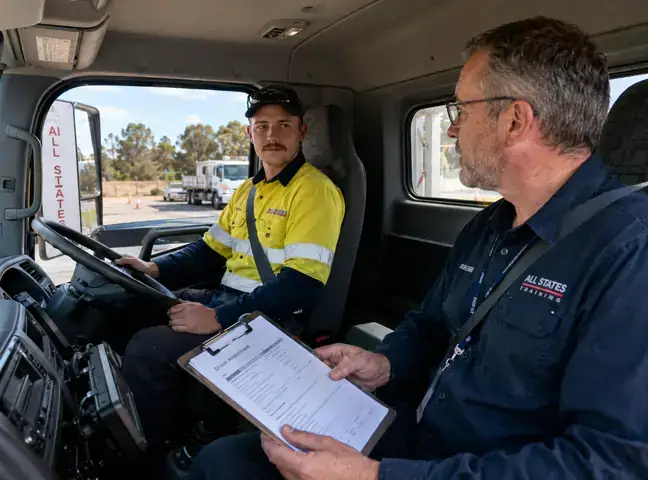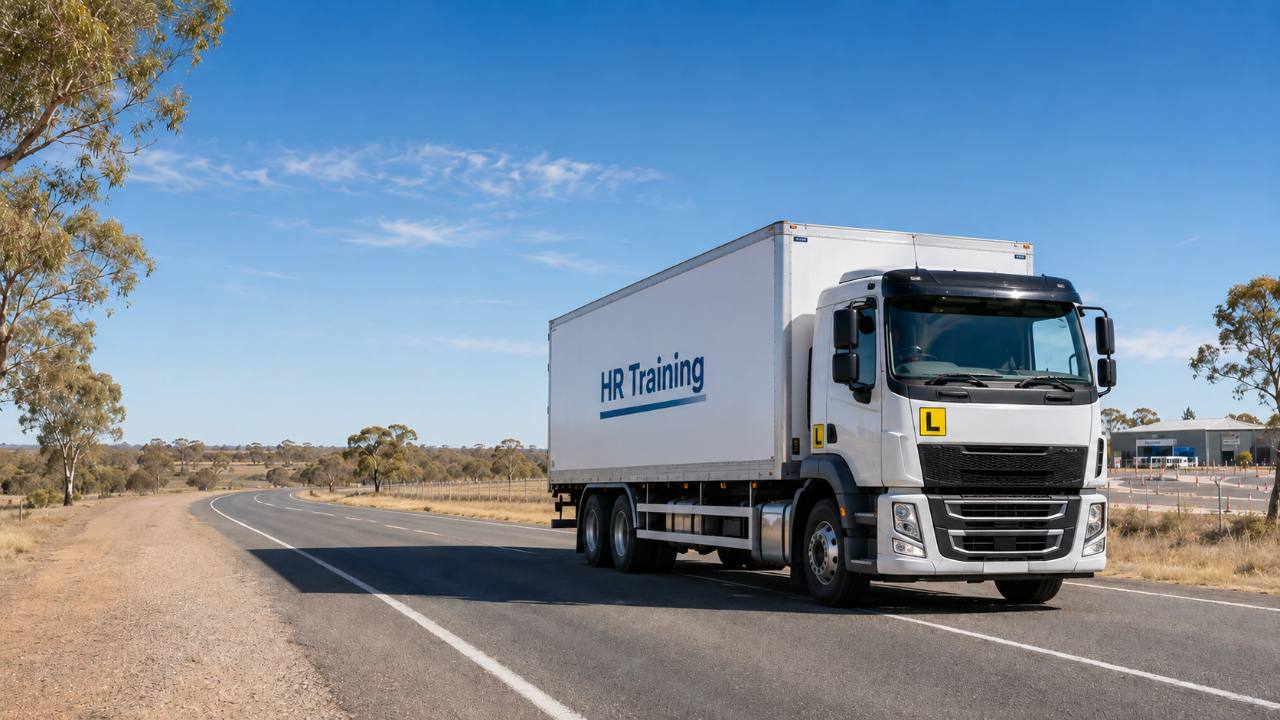
Passing an HR licence assessment is not about memorising one test route. You must show that you can prepare, control and position a heavy rigid truck safely in changing traffic conditions.

The WA HR on-road score sheet groups performance into eight areas: preparing to drive, accelerator use, braking, steering, gears, coordinated control, safe driving procedures and reversing. Use the following ten skills as a practical readiness checklist.
1. Prepare the cab correctly
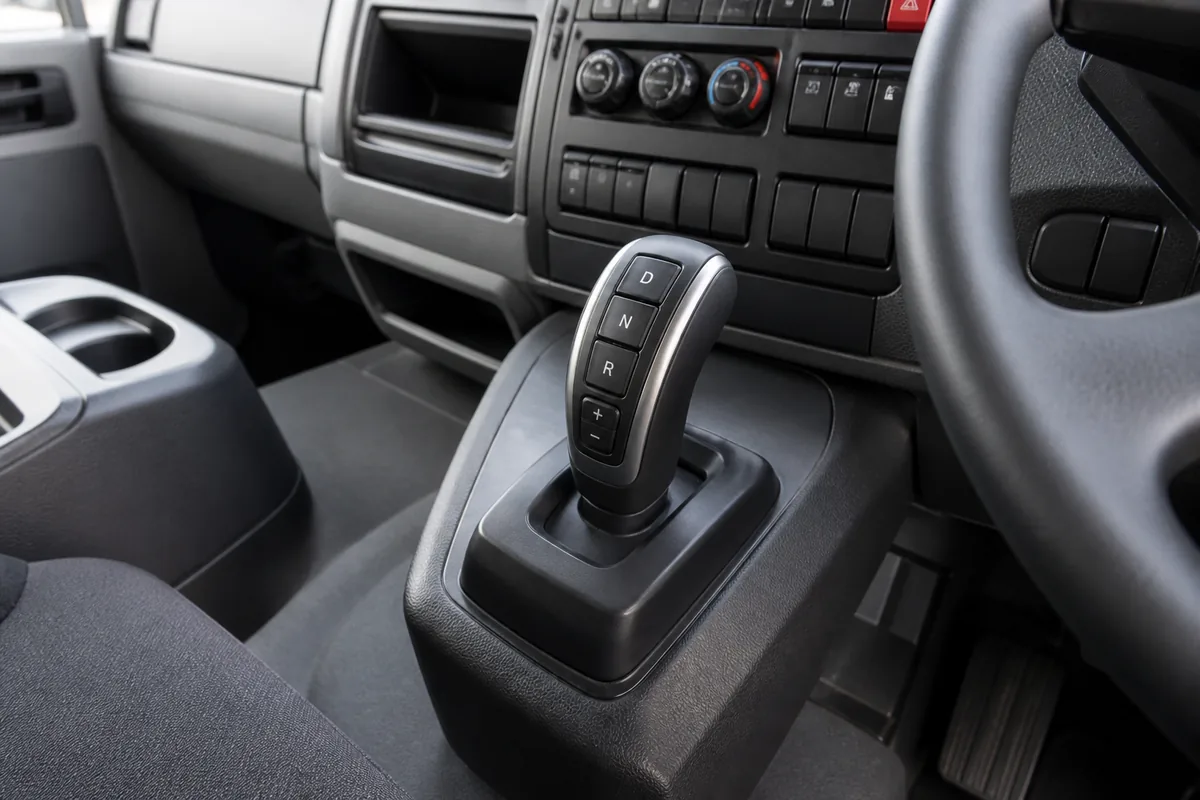
Secure loose objects, adjust the seat and mirrors, locate the main controls and fasten the seat belt. Confirm the gearbox is in neutral or park and the parking brake is applied before starting. After start-up, check the gauges and warning lights.
2. Build a repeatable mirror routine
Check mirrors regularly and connect every check to an action. Check before signalling, braking, turning, moving laterally or changing lanes. Keep monitoring the truck’s position and rear overhang while turning.
3. Brake early and progressively
A heavy vehicle needs more planning distance than a car. Ease off the accelerator early, check the mirrors and apply the brake smoothly. Reduce speed before the intersection or curve instead of completing all braking at the last moment.
4. Select the correct gear before turning
Complete the necessary gear change while the truck is travelling straight. Enter the turn at a safe speed with the correct gear already engaged. Avoid changing gear while steering through the turn.
5. Use smooth steering
Keep both hands in effective steering positions except when operating a control. Guide the vehicle smoothly and avoid crossing hands unnecessarily, palming the wheel or making sudden corrections.
6. Hold an accurate road position
Stay within the correct lane whenever practical. Allow for the truck’s width, rear overhang and off-tracking without unnecessarily occupying another lane. Continually confirm the position in both mirrors.
7. Plan intersections and roundabouts early
Read the signs, lane arrows, traffic movement and available space well before arrival. Choose the correct lane, adjust speed and gear early, then enter only when the gap is safe for the whole vehicle.
8. Merge and change lanes safely
Use a full observation sequence: mirrors, signal, blind-spot check where required, final mirror check and a gradual move. Do not force another road user to brake, accelerate or change direction.
9. Reverse slowly with continuous observation
Set up the truck carefully before reversing. Use both mirrors, keep the speed very low and stop if you lose sight of the intended path or another road user. Make controlled corrections rather than rushing the manoeuvre.
10. Stay safe after a small mistake
A minor error does not mean you should give up. Keep control, continue observing and make the next safe decision. A rushed recovery can turn a small error into a dangerous situation.
Are you ready?
- You can repeat the skills without frequent instructor prompts.
- Your mirror checks occur naturally before each action.
- Your braking and gear selection are completed early.
- You can reverse accurately while monitoring the whole area.
- Other road users can continue normally around you.
For the complete assessment structure, read the HR assessment preparation guide.
Important: This is an educational guide. Current Transport WA requirements, your approved provider’s procedure and the assessor’s directions take priority.